Loan comparison

Secured vs Unsecured Personal Loan: Which Stride Loans Are Right for You?

Last updated:

The core difference between a secured and an unsecured personal loan is collateral, and that one detail shapes the APR, the approval odds and what you could lose, which matters for anyone comparing stride loans.

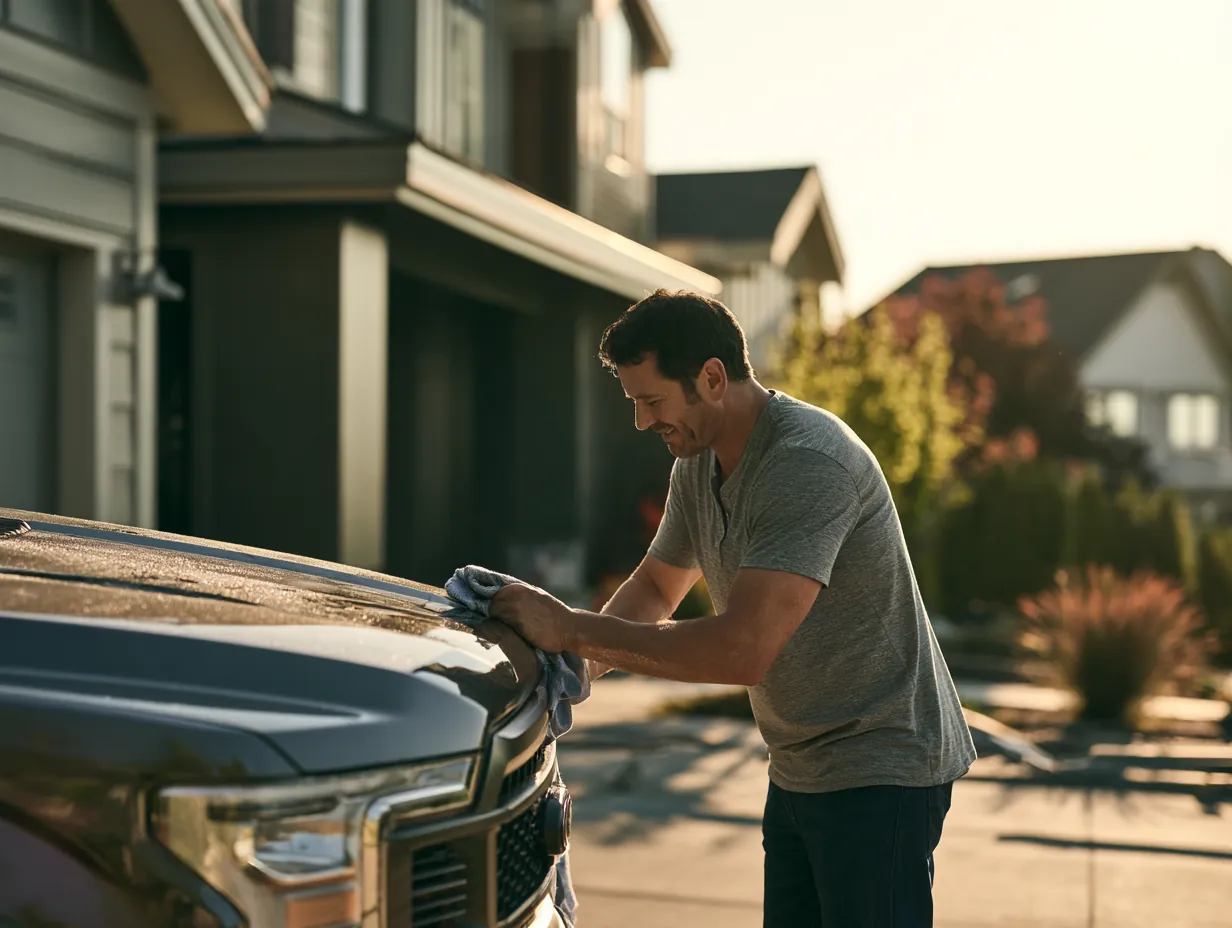
Man polishing the hood of his pickup truck in the driveway
01

The short answer: secured or unsecured?

An unsecured personal loan is usually the better fit for amounts of $500 to $5,000 when your credit and income support a fair APR, while a secured loan makes more sense when you need a lower rate or cannot qualify otherwise.

With an unsecured personal loan, the lender relies on your credit history, income and existing debt to decide, and nothing you own is pledged. With a secured loan, you pledge an asset such as a savings account, certificate of deposit or vehicle title, and the lender can take that asset if you stop paying. Readers who look up stridefi often ask which kind they would be offered, and the answer depends on the lender. The pledge lowers the lender's risk, so the APR is often lower and approval can be easier, but the stakes for you are higher.

For most people searching stride loans to cover a repair, a medical bill or a few card balances, the unsecured route is the common starting point, and it is the kind of personal loan most small-dollar lenders offer. It is faster to arrange, puts no property at risk and fits the smaller amounts most households need. A secured loan earns its place in specific situations, which the sections below spell out.

02

Secured vs unsecured personal loans side by side

Secured and unsecured personal loans differ most on collateral, estimated APR and the consequence of missed payments, while speed and approval factors also vary in ways that matter for small-dollar borrowing.

Secured vs unsecured personal loan comparison (general, estimated features; lender terms vary)
FactorSecured personal loanUnsecured personal loan
Estimated APROften lower; an estimated 6% to 20% at many banks and credit unionsAbout 6% to 35.99% through lenders in our network; some lenders in some states charge more
CollateralRequired: savings, CD, vehicle title or other assetNone
Approval factorsCollateral value plus credit, income and debtCredit history, income, debt-to-income ratio, employment
SpeedSlower; asset verification or a lien can add daysOften funded the next business day after approval and signing
Risk if you miss paymentsLate fees, credit damage and loss of the pledged assetLate fees, credit damage, collections and possible legal action
Typical amountsOften tied to the asset's value$500 to $5,000 through our network
Best forThin or damaged credit, larger amounts, rate-sensitive borrowers with an assetFair to good credit, fast needs, borrowers who will not pledge property

Every figure above is an estimate. The APR on any offer depends on the lender, your state and your application, and the offer shows the APR before you accept. Our service does not lend or set rates; lenders in our network do, and each offer for stride loans states whether any collateral is required. For the full range of figures and fees, see the current rate and fee ranges.

03

When a secured loan makes more sense

A secured loan makes more sense when you have a dependable asset to pledge, need the lowest available APR, have limited or damaged credit, or want to rebuild your score with a low-risk account.

  • You have savings you do not want to spend. A share-secured or CD-secured loan from a credit union lets you borrow against the balance, often at a few points above the savings rate, while the deposit keeps earning.
  • You are rebuilding credit. Because the lender's risk is small, secured loans are often approved for borrowers with thin files, and on-time payments are reported like any other personal loan.
  • The amount is larger. A vehicle-secured loan can support a bigger balance than many lenders will extend unsecured.
  • Every point of APR matters. On a longer term, a lower rate saves real money.

The trade-off deserves plain language: if you fall behind, the lender can claim the asset. Pledging a car you need for work turns a missed payment into a missed paycheck. A savings-secured loan is the gentlest version, since the worst case is losing money you already set aside, not something you use every day.

04

When an unsecured loan makes more sense

An unsecured loan makes more sense when you need funds quickly, want to keep your car and savings out of the deal, have fair or better credit, and are borrowing a modest amount you can repay within a few years.

  • Speed matters. Without collateral to verify, many unsecured offers fund the next business day after approval and signing, depending on the lender and your bank.
  • You do not have, or will not risk, an asset. Renters, newer drivers and people with little in savings often have nothing practical to pledge.
  • The amount is small. For $500 to $5,000, the paperwork of a secured loan may not be worth the rate savings.
  • Your credit is fair or good. A solid history can earn an unsecured APR close to secured pricing.

Most people who start comparing stride loans online fall into this group, since stride loans of $500 to $5,000 match the modest amounts unsecured lenders handle best. Through our request form, you can see whether lenders in our network have unsecured personal loan offers for you; the request is free, carries no obligation and approval is never guaranteed. The personal loans overview covers common uses and amounts.

05

Common types of collateral for a secured personal loan

The most common collateral for a secured personal loan is a savings account or certificate of deposit, followed by a vehicle title, with some lenders accepting investment accounts or other valuables in limited cases.

  • Savings or share account: Offered mainly by banks and credit unions where you already hold the deposit. The pledged amount is frozen until the balance falls, and the APR is often a few points above what the account earns.
  • Certificate of deposit: Works much like a savings-secured loan, with the CD held until the loan is repaid or the CD matures.
  • Vehicle title: The lender records a lien on a car you own outright or nearly outright. Rates vary widely; read the APR on the offer carefully, because some vehicle-secured products carry high costs.
  • Investment account: Some brokerages offer loans against securities, but a drop in market value can trigger a demand to add funds.

Each type changes what you stand to lose. A savings-secured personal loan puts money at risk; a vehicle-secured one puts your transportation at risk. Readers searching stride loans who own a car outright should think twice before pledging it for a few hundred dollars of rate savings, since losing the car could cost far more than the interest difference.

06

How much can a lower APR save on stride loans?

On a $3,000 loan over 24 months, moving from an estimated 24.99% APR to 11.99% APR lowers the estimated payment from $160.10 to $141.21 a month and cuts estimated interest by about $453.

Estimated cost of a $3,000 personal loan over 24 months at different APRs (no origination fee)
APREst. monthly paymentEst. total repaidEst. interest
11.99%$141.21$3,389.04$389.04
17.99%$149.76$3,594.24$594.24
24.99%$160.10$3,842.40$842.40
35.99%$177.13$4,251.12$1,251.12

The table shows why collateral can be worth considering on larger balances: the gap between the top and bottom rows is about $862 over two years. On a smaller balance, the dollar savings shrink. A $1,000 personal loan over 12 months is an estimated $88.84 a month at 11.99% and $95.04 at 24.99%, a difference of about $74 in total. The loan calculator lets you test your own amount and term. People reading stride financial or stridefi comparisons should weigh that dollar figure against the risk of pledging an asset.

07

How lenders decide on each type of loan

Lenders review credit history, income, debt-to-income ratio and employment for both loan types, but a secured lender also weighs the asset's value, which can offset a lower score or a thin credit file.

For an unsecured personal loan, the application tells the whole story: how you have handled past credit, how much you earn, and how much of that income already goes to debt payments. A debt-to-income ratio under about 36% is generally viewed favorably, though each lender sets its own limits. For a secured loan, the lender also confirms the asset exists, checks its value and records a hold or lien, which is why the process often takes longer.

Prequalification with a soft credit pull is common for unsecured offers and does not affect your score; a hard inquiry usually happens only when you accept an offer and move to final approval. Readers looking up stride loans or stride financial offers to test the waters can use that soft check to compare APRs before committing to either type.

08

What happens if you miss payments on each type?

Missing payments on either type brings late fees and credit damage, but a secured loan adds the loss of your pledged asset, while an unsecured loan can lead to collections and, in some cases, a court judgment.

With a savings-secured loan, the lender may apply your deposit to the balance. With a vehicle-secured loan, the lender may repossess the car, sell it and still pursue you for any shortfall. With an unsecured personal loan, the lender cannot take property directly, but an account sent to collections can stay on your credit report for up to seven years and may lead to a lawsuit and wage garnishment where state law allows.

The best protection is the same for both: borrow only what the payment table says you can afford, and call the lender before a missed payment, not after. Many lenders offer a short hardship plan or a due-date change if you ask early. Comparing stride loans with that worst case in mind keeps the decision grounded in your real budget.

09

A quick checklist for choosing between the two

Choosing between a secured and unsecured personal loan comes down to five questions about your asset, your credit, your timeline, the amount and how you would handle a tight month during repayment.

  1. Do I have an asset I could lose without hurting my job or household? If not, the unsecured route is usually safer.
  2. How strong is my credit right now? Fair to good credit often earns an unsecured offer close enough to secured pricing.
  3. How soon do I need the money? Next-business-day funding is far more common on unsecured personal loans.
  4. How much am I borrowing, and for how long? Rate savings matter more on larger balances and longer terms.
  5. What would I do if money got tight? If the honest answer is "miss a payment," borrow less or choose a longer term with a lower payment.

Write your answers down before you request offers for stride loans or any other personal loan. People who look up stride financial options with these answers ready tend to spot the right fit quickly, and they are less likely to accept a personal loan with terms that do not match their budget. If two offers look similar, the one with the lower total cost over the full term is usually the better choice.

10

Other options to compare before choosing

Before choosing either loan type, compare a co-signed personal loan, a credit-builder loan, a credit union small-dollar loan or a 0% promotional card, since each can beat both standard options in specific cases.

  • Co-signed loan: A co-signer with strong credit can lower an unsecured APR without collateral, but the co-signer is fully responsible if you do not pay.
  • Credit-builder loan: The funds are held until you finish paying, so it builds credit but does not help with an immediate expense.
  • Credit union small-dollar loan: Members may find modest amounts at capped rates.
  • 0% promotional card: Useful if you can clear the balance before the promotion ends.

Searching stride loans alongside these options gives you a fuller picture, and readers who check stridefi reviews often find that a co-signer or credit union option deserves a look before pledging an asset. Whatever you choose, read the total cost on the offer and confirm the term before you sign.

FAQ

Frequently asked questions

Is a secured personal loan easier to get than an unsecured one?

Often, yes. Because the lender can claim the pledged asset, it takes on less risk, so approval standards may be looser for borrowers with lower scores or thin files. Approval is never guaranteed with either type, and the lender still reviews income and existing debt.

Does a secured loan build credit the same way an unsecured loan does?

Most lenders report secured and unsecured personal loans to the credit bureaus the same way, so on-time payments help your history either way. Confirm with the lender that the account will be reported before you sign, especially with smaller credit unions.

Can I switch from a secured loan to an unsecured one later?

You cannot convert the loan itself, but you can refinance. If your credit improves, a new unsecured personal loan can pay off the secured one and release the collateral. Compare the new APR, any origination fee and the remaining interest before refinancing; some readers check stride loans for this once their score improves.

Marcus ElleryCredit & Debt Writer

Marcus worked eight years as a credit union loan officer before writing full time about credit cards, consolidation and how lenders read an application.

Related posts

Two nurses leaving a hospital after a shift, checking how fast stride loans can fund

Personal

How Fast Can Stride Loans Fund After Approval?

Most stride loans fund the next business day after a lender approves you and you sign the agreement, though bank cutoffs, weekends and identity checks can stretch that window. Below is the full personal loan timeline, step by step, with the habits that keep it short.

Next step

Ready to see what lenders can offer?

One free request, no obligation to accept, and every offer shows its APR before you decide.

Start your request

Borrow $500–$5,000 · No obligation

Apply